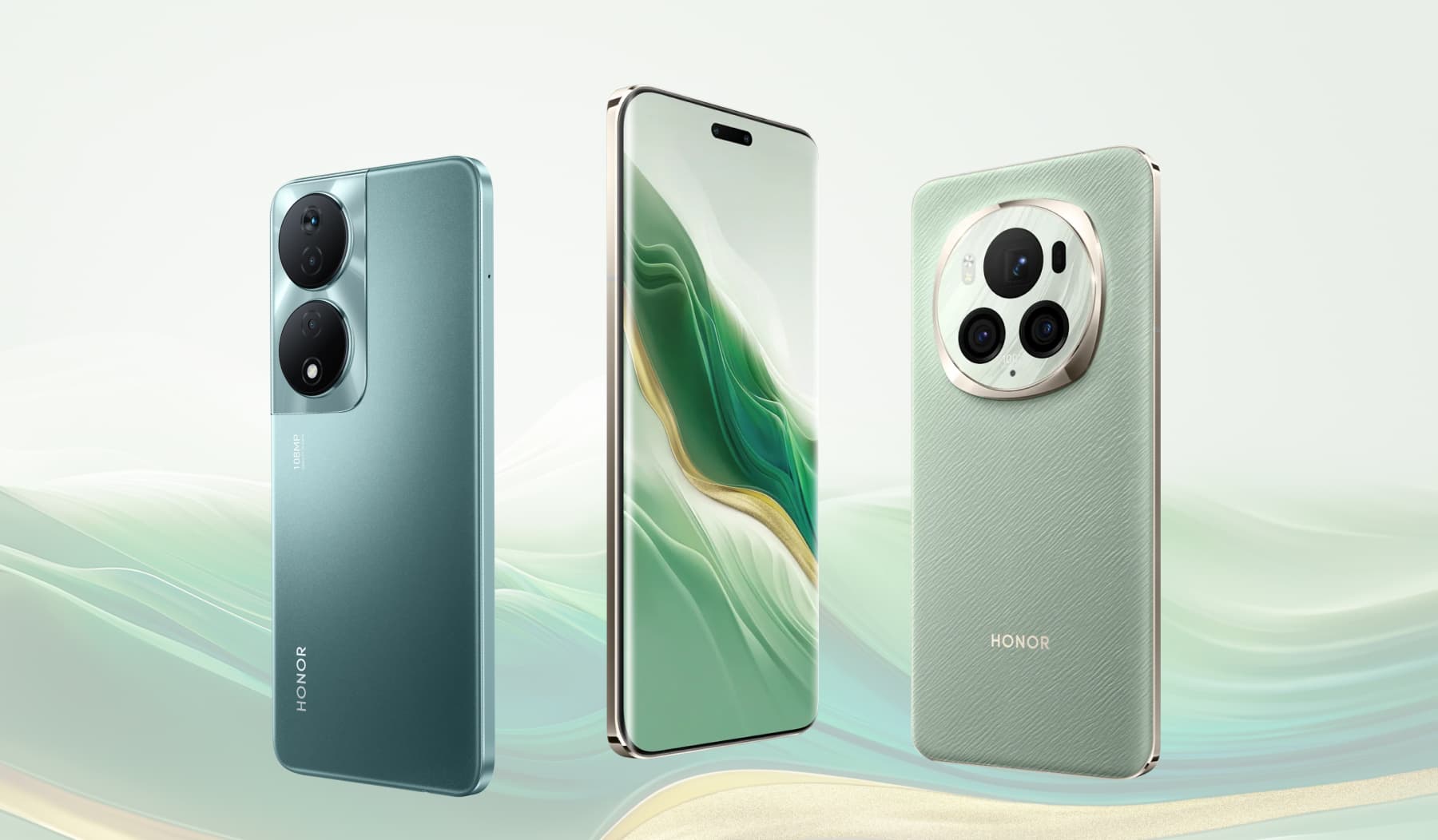
The Evolution of Smartphones: How They Became Our Everyday Essentials
The evolution of smartphones has been nothing short of revolutionary, transforming from simple communication devices into multifunctional tools that serve as essential companions in our daily lives. Initially introduced in the early 1990s, smartphones combined basic mobile phone capabilities with handheld computer features. Over the years, advancements in technology have drastically changed their design and functionality. Innovations such as touchscreens, app ecosystems, and high-speed internet connectivity have turned smartphones into powerful personal computers that fit into our pockets.
Today, smartphones have become indispensable for modern living. They not only facilitate communication but also provide access to social media, navigation, shopping, and a multitude of applications that cater to various needs. With features like high-resolution cameras and voice assistants, they have redefined convenience and connectivity. According to recent studies, approximately 85% of adults in developed countries own a smartphone, underscoring their status as everyday essentials. As technology continues to evolve, we can only anticipate further advancements that will enhance our reliance on these devices.
Counter-Strike is a highly popular tactical first-person shooter game that pits teams of terrorists against counter-terrorists in a variety of objective-based game modes. Players strategize and coordinate to outsmart their opponents, making it a thrilling and competitive experience. As a gamer, you might also be interested in enhancing your mobile experience with the Top 10 iphone 16e accessories that can boost your gameplay and add convenience.
10 Life-Changing Features of Smartphones That You Didn't Know About
Smartphones have transformed our lives in ways we often overlook. Beyond calling and texting, these powerful devices come equipped with features that can significantly enhance our daily experiences. For instance, smartphone cameras have evolved into multi-lens systems that allow users to capture professional-quality images and videos. With capabilities like optical zoom, night mode, and advanced portrait settings, anyone can become a photographer effortlessly. Additionally, many smartphones are equipped with augmented reality (AR) capabilities, allowing users to visualize furniture in their homes or try on virtual clothes with just a few taps.
Another standout feature is the integration of digital wallets, which enable seamless transactions with just a smartphone tap. Forget fumbling for cash or cards; using services like Apple Pay or Google Pay enhances convenience and security. Moreover, smartphones now prioritize health monitoring through built-in sensors and health apps. From tracking your heart rate to monitoring sleep patterns, these devices empower users to stay on top of their health. Lastly, with the rise of voice assistants like Siri and Google Assistant, tasks can be completed hands-free, allowing for multitasking and greater accessibility, especially for those with disabilities.
Are Smartphones Making Us Smarter or Just More Dependent?
The emergence of smartphones has undoubtedly revolutionized the way we access information and interact with the world, leading many to ponder whether they are making us smarter or simply fostering a greater dependency. On one hand, smartphones provide us with instant access to a vast array of knowledge, enabling users to learn new skills, collaborate on projects, and stay informed about current events. Apps tailored for education, like language-learning tools and coding platforms, exemplify how these devices can enhance our cognitive abilities and increase our knowledge base. However, the question remains: does this constant access to information cultivate genuine intelligence or merely create a reliance on technology for answers?
Moreover, the **psychological dependency** on smartphones cannot be overlooked. Many studies indicate that excessive use can lead to diminished attention spans and a reduced ability to engage in deep thinking. Tasks that once required contemplation or problem-solving skills are increasingly offloaded to our devices, which may inadvertently weaken our critical thinking abilities. For instance, with GPS mapping available at the touch of a button, the necessity of developing spatial awareness diminishes. This growing trend raises concerns about whether smartphones are truly enhancing our intellect or merely serving as a crutch, ultimately making us more dependent on technology for daily functioning.