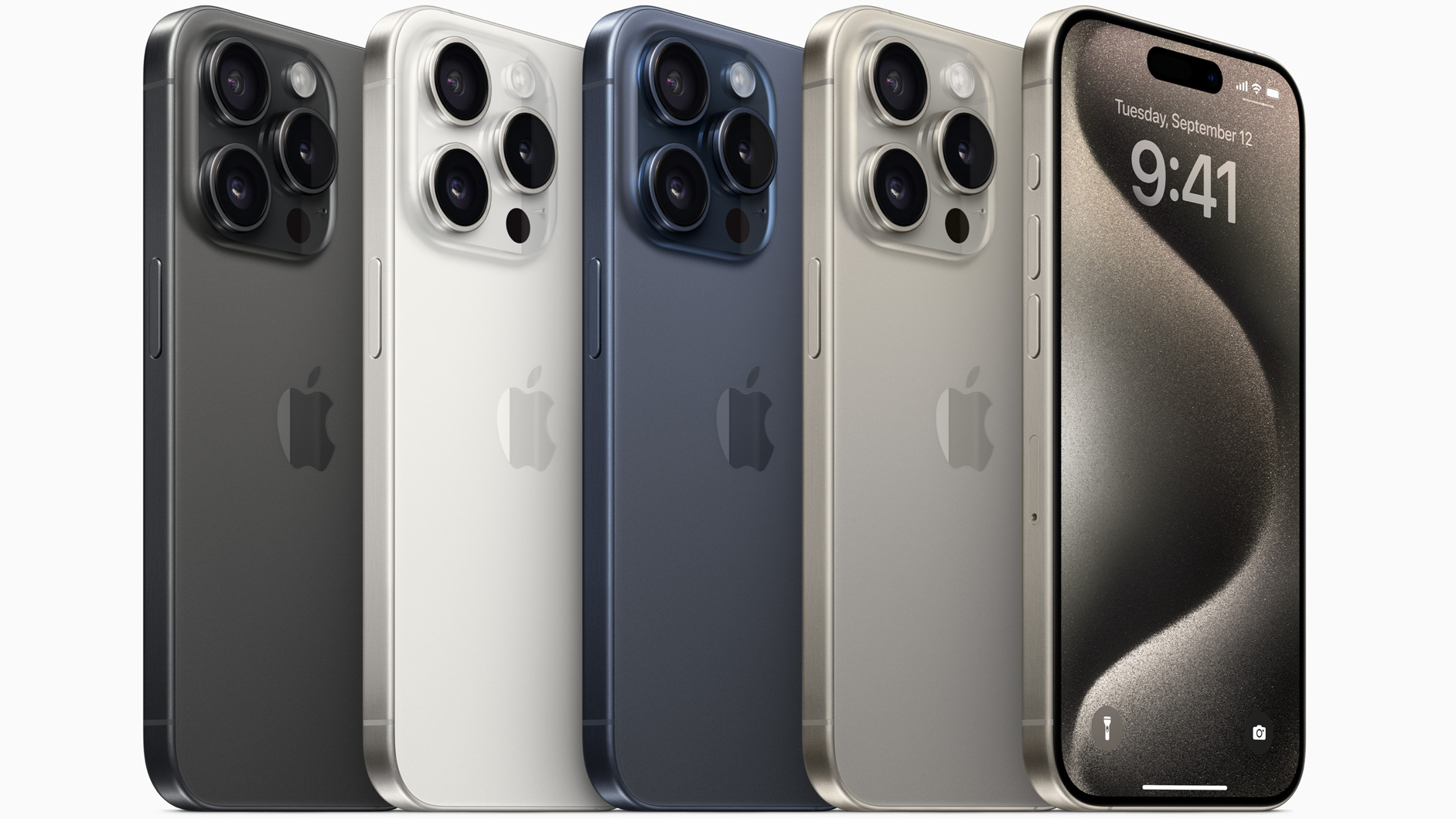
The Evolution of Smartphones: How We've Transitioned from Basic Phones to Powerhouses
The journey of smartphones has been nothing short of remarkable, evolving from the basic mobile phones of the 1980s to the powerful devices we use today. Initially, mobile phones were designed solely for making calls and sending SMS messages, featuring bulky designs and limited functionality. However, as technology advanced, the introduction of smartphones in the early 2000s marked a significant shift. These devices began to incorporate features like internet connectivity, cameras, and basic applications, paving the way for a new era of mobile communication.
By the time the first iPhone was released in 2007, the landscape of smartphones changed drastically. With its intuitive touchscreen interface and access to a plethora of applications, the smartphone became a personal assistant, a social networking hub, and an entertainment center all in one device. Today, smartphones are equipped with powerful processors, high-resolution cameras, and advanced operating systems that support a wide variety of applications. They've transitioned from basic communication tools to powerhouses that integrate seamlessly into our daily lives, making tasks easier and more efficient than ever before.
Counter-Strike is a popular first-person shooter game that has become a staple in competitive gaming. Players engage in strategic team-based gameplay, either as terrorists or counter-terrorists, to complete objectives or eliminate the opposing team. For gamers looking to show off their devices while enjoying titles like Counter-Strike, check out the Top 10 iPhone 17 Pro cases to protect their smartphones.
10 Must-Have Features in Your Next Smartphone: A Comprehensive Guide
Choosing a new smartphone can be overwhelming with the multitude of options available. To ensure you make the best decision, consider these 10 must-have features that will elevate your smartphone experience. First, look for a high-quality camera system. In today's world, a powerful camera is essential not only for capturing memories but also for engaging with social media. Additionally, a long-lasting battery life is crucial. No one wants to be tethered to a charger, so aim for a device that offers at least a full day of use on a single charge.
Next, prioritize display quality. A vibrant, high-resolution screen will enhance your viewing experience, whether you’re gaming, streaming, or browsing. Consider the processor speed as well; a faster processor ensures smooth performance, especially in multitasking scenarios. Also, look for 5G connectivity. With the rise of faster networks, having a smartphone that supports 5G will future-proof your device. Lastly, check for storage capacity options, as ample storage is necessary for apps, photos, and videos. By focusing on these key features, you’ll be well-equipped to select the perfect smartphone for your needs.
Are Smartphones Making Us Smarter or More Dependent?
In today's digital age, smartphones are often hailed as tools that enhance our intelligence and connectivity. They provide us with instant access to a wealth of information, educational resources, and communication platforms that can foster learning and growth. For instance, educational apps and online courses have made it easier for individuals to acquire new skills and knowledge at their own pace. As we navigate through daily tasks, the use of calendars, reminders, and productivity applications helps us stay organized and efficient. However, this raises the question: Are smartphones truly making us smarter, or are we simply becoming too reliant on these devices?
While smartphones undoubtedly offer advantages, there is growing concern about our increasing dependence on technology. Many individuals find themselves reaching for their phones at the slightest moment of boredom, leading to a decline in critical thinking and problem-solving skills. Excessive screen time can result in distractions that hinder genuine interpersonal interactions and the ability to focus on tasks. Additionally, the easy accessibility of information can create a sense of complacency, where users may prefer to search for quick answers rather than engage in deeper learning. Ultimately, finding a balance between leveraging smartphones for their benefits and maintaining our cognitive independence is crucial in this tech-driven era.