The Dark Matter Mystery: Unraveling the Invisible Mass of the Universe
The universe is a vast and enigmatic expanse, and at its heart lies one of the most intriguing puzzles: dark matter. Despite making up approximately 27% of the total mass-energy content of the cosmos, dark matter remains largely invisible and undetectable by conventional means. Scientists believe that its existence can be inferred from gravitational effects on visible matter, radiation, and the large-scale structure of the universe. Various hypotheses suggest that dark matter could be composed of exotic particles, providing fertile ground for research and exploration in astrophysics.
To unravel this invisible mass, researchers employ a variety of methods including gravitational lensing, cosmic microwave background measurements, and galaxy rotation curves. Each of these techniques presents a unique insight into the presence and distribution of dark matter across the universe. For instance, gravitational lensing allows astronomers to observe how light bends around massive objects, revealing the presence of unseen mass. Understanding dark matter isn't just an academic exercise; it holds critical implications for our understanding of the universe's formation, evolution, and ultimate fate.
Counter-Strike is a highly popular tactical first-person shooter that has captivated gamers since its initial release in 1999. Known for its team-based gameplay, players take on the roles of either terrorists or counter-terrorists in various game modes. If you're looking to enhance your gaming experience, check out the Top 10 Samsung Galaxy Ultra Accessories that can improve your performance and comfort while playing.
Cosmic Winds: How Intergalactic Forces Shape Our Galaxy
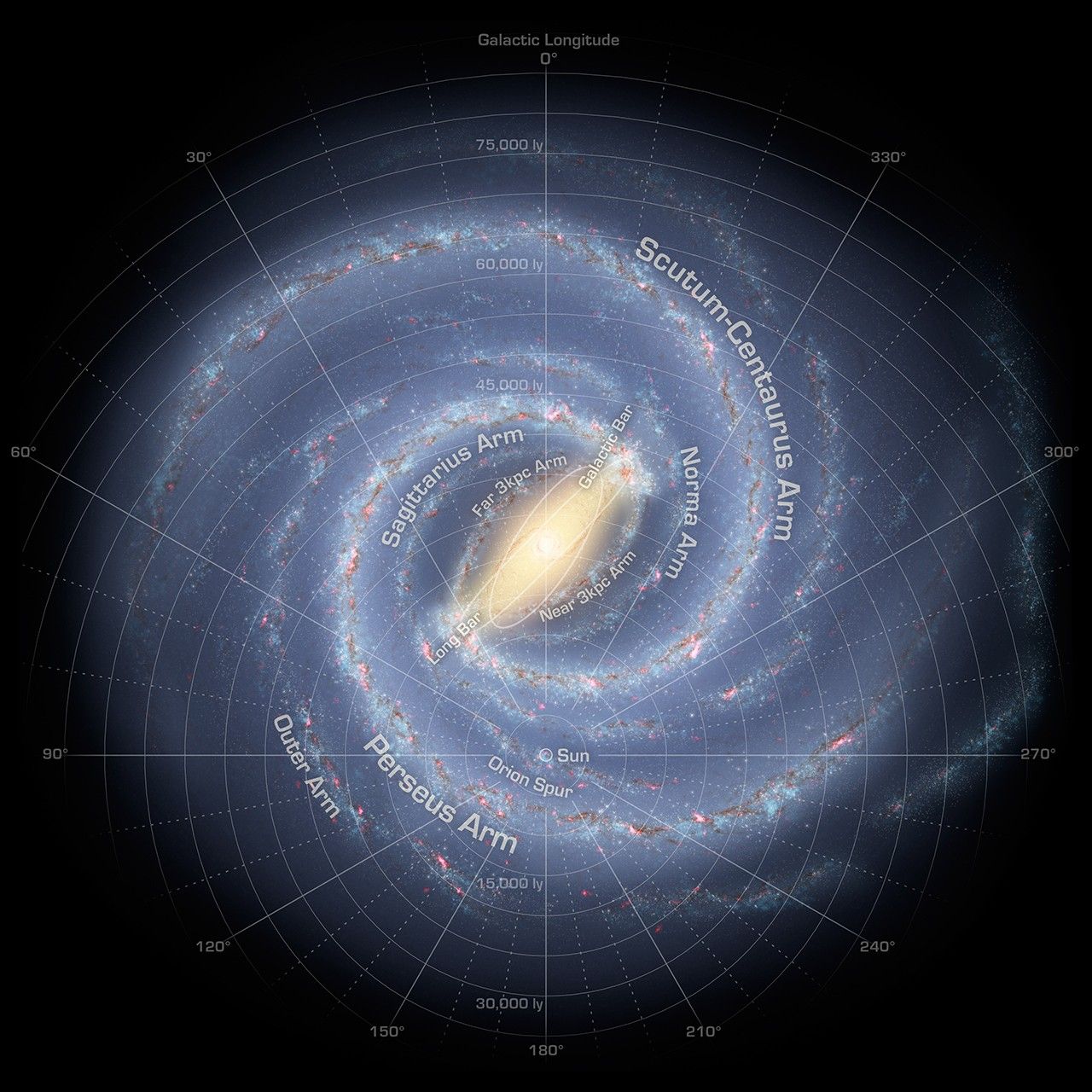
The vastness of space is not merely an empty void; it is a dynamic realm shaped by powerful intergalactic forces known as cosmic winds. These forces, which include outflows from stars, supernova explosions, and the effects of black holes, play a crucial role in the formation and evolution of galaxies. As these cosmic winds travel through the cosmos, they interact with interstellar gas and dust, influencing star formation and the distribution of elements within our galaxy. Understanding how intergalactic forces operate is essential for astronomers as they seek to unravel the complex tapestry of our universe.
Furthermore, cosmic winds contribute to the galactic ecosystem by regulating the flow of energy and matter. For instance, they can trigger waves of star formation as regions of gas are compressed, or they can disperse stellar materials and prevent new stars from forming. This delicate balance highlights the importance of these intergalactic forces in maintaining the structural integrity and vitality of galaxies, including our own Milky Way. By studying these phenomena, scientists can gain valuable insights into the lifecycle of galaxies and the future of our cosmic neighborhood.
Are We Alone? Exploring the Potential for Life in Our Cosmic Neighborhood
The question Are We Alone? has fascinated humanity for centuries. As we gaze into the night sky, we can't help but wonder about the billions of stars and potentially habitable planets within our cosmic neighborhood. Recent advancements in astronomy and space exploration, such as the Kepler Space Telescope and the ongoing missions to Mars and the icy moons of Jupiter and Saturn, have significantly expanded our understanding of the universe. These discoveries not only increase the likelihood of finding extraterrestrial life but also challenge our definitions of life itself. Could microbial life exist in the harsh environments of Venus or under the icy crust of Europa? The possibilities are as vast as the universe itself.
In addition to exploring distant planets, scientists are also investigating the potential for communication with intelligent civilizations beyond Earth. Projects like the Search for Extraterrestrial Intelligence (SETI) aim to detect signals or signs of advanced technologies that may indicate the presence of life. While we have yet to find concrete evidence that we are not alone, our ongoing exploration serves to remind us of our place in the universe. As we continue to scan the cosmos, the enduring question remains: are we alone, or is the universe teeming with life waiting to be discovered?