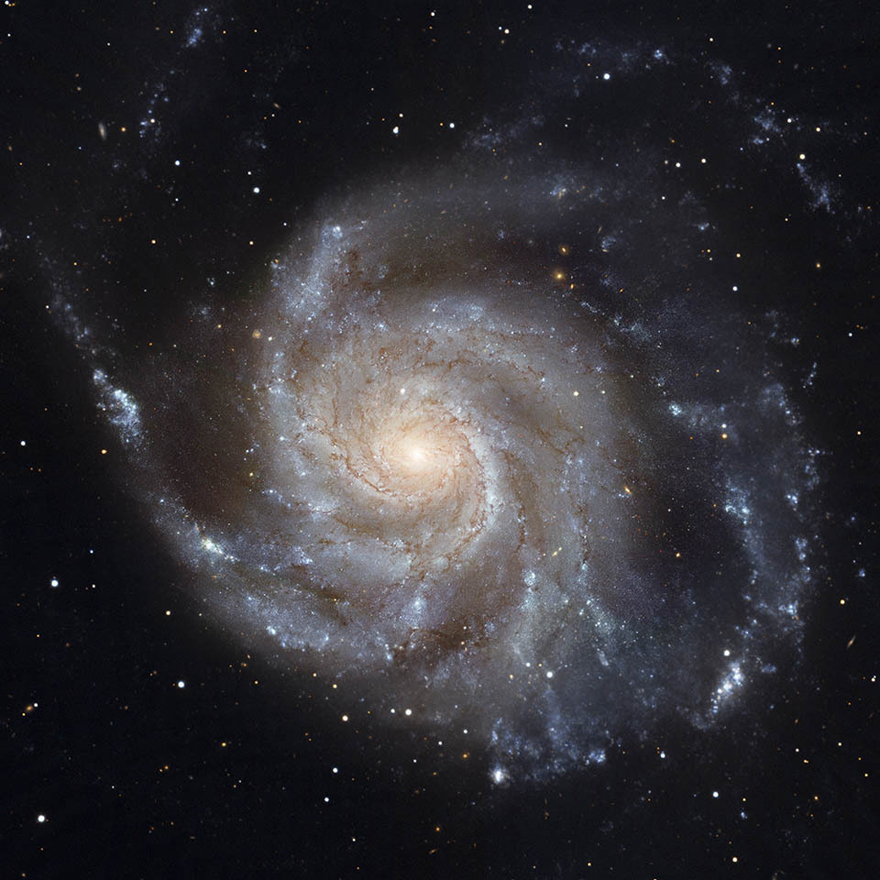
Exploring the Cosmos: How Imagination Fuels Our Understanding of the Universe
Exploring the cosmos has always been a blend of science and imagination. As we look to the stars, our understanding of the universe is often shaped by the creative visions of thinkers, scientists, and dreamers. Theories about black holes, the Big Bang, and wormholes largely stem from imaginative hypotheses that challenge conventional wisdom. These ideas ignite our curiosity, pushing the boundaries of what we know and inspiring countless generations to look beyond our planet. In essence, it is through imagination that we come to envision the vast possibilities that lie in the universe.
The role of imagination in astrophysics can be illustrated through historical milestones in our quest to comprehend the cosmos. For instance, Galileo's telescope opened our eyes to the wonders of distant planets, while Einstein's theories of relativity allowed us to conceptualize time and space in unprecedented ways. Today, our understanding continues to evolve thanks to the innovative ideas of scientists who think outside the box. As we deepen our exploration of the cosmos, it becomes increasingly clear that imagination not only fuels our inquiries but also enriches our grasp of the intricacies of the universe, ultimately guiding us toward new discoveries.
Counter-Strike, a highly popular team-based first-person shooter, has captivated gamers since its release in the late 1990s. Players can choose to be part of either the terrorist or counter-terrorist teams, competing in various objective-driven game modes. For gamers who enjoy enhancing their gaming experience, check out the Top 10 Samsung Galaxy Accessories to ensure you get the best performance from your devices while playing.
From Myths to Science: The Role of Human Creativity in Shaping Cosmic Narratives
The exploration of our universe has often been a journey guided by human creativity. From ancient civilizations spinning tales about cosmic entities to modern scientists deciphering the intricacies of black holes and dark matter, the evolution of our understanding is a testament to how creativity shapes cosmic narratives. Notably, myths served as the early framework for comprehending celestial phenomena, helping ancient cultures explain what they observed in the night sky. These myths, rich in symbolism and imagination, laid the groundwork for future scientific inquiry, illustrating how human storytelling has been integral in interpreting the vast cosmos.
Today, science continues to embrace the imaginative aspect of human creativity to venture beyond the visible and audible cosmos. Breakthroughs in fields such as astrophysics and cosmology rely on innovative thinking and creative problem-solving to challenge existing paradigms. For instance, concepts like the multiverse or theories positing the existence of exoplanets require not only data-driven analyses but also the bold imagination to consider possibilities beyond our current understanding. Ultimately, the journey from myths to science exemplifies the dynamic interplay between creativity and knowledge, as we continuously reshape our cosmic narratives in pursuit of discovering the universe's profound mysteries.
Are We Alone? Imagining Extraterrestrial Life and Its Impact on Cosmic Exploration
The question of extraterrestrial life has captivated humanity for generations, sparking debates in science, philosophy, and popular culture. As we delve deeper into the cosmos, the prospect of encountering life beyond Earth becomes increasingly plausible. The exploration of distant planets and moons, such as Mars and Europa, has revealed environments that may harbor microbial life. With ongoing missions and advancements in technology, we are pushing the boundaries of our understanding of the universe. Are we truly alone, or is the cosmos teeming with life just waiting to be discovered?
Imagining the impact of discovering extraterrestrial life on cosmic exploration opens a Pandora's box of possibilities. Such a revelation would not only revolutionize our scientific paradigms but also challenge our cultural and philosophical beliefs. Would we continue to explore the universe merely for knowledge, or would our motivations shift towards interaction and understanding? Moreover, the presence of intelligent life could lead to unprecedented cooperation or conflict among civilizations. The search for life beyond our planet is not just about answering the question of are we alone; it fundamentally reshapes our place in the grand tapestry of the universe.