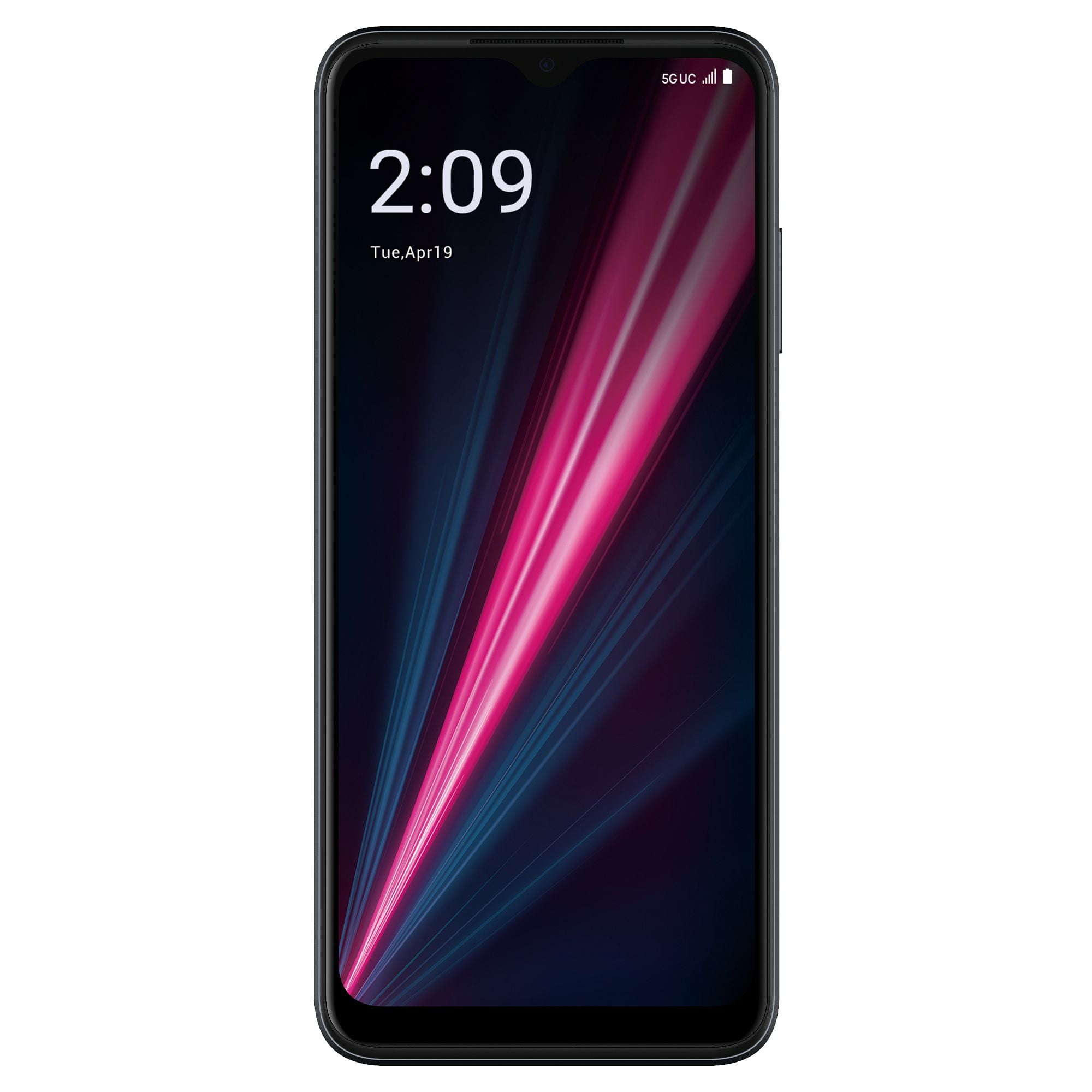
Exploring the Hidden Intelligence: How Your Mobile Device Learns and Adapts
In today's digital age, mobile devices are more than just tools for communication; they are intelligent companions that learn and adapt to our behaviors. By utilizing advanced algorithms and machine learning techniques, your device can analyze your usage patterns, preferences, and habits to enhance your overall experience. For instance, when you frequently use specific applications, your mobile device learns to prioritize them, ensuring quicker access and improved performance over time. This learning process is not just limited to applications; it extends to various functionalities, including battery management and system optimization, allowing for a seamless user experience.
The hidden intelligence within your mobile device operates through a myriad of background processes. Personal assistants, like Siri and Google Assistant, exemplify how your device interprets voice commands and personalizes responses based on past interactions. Moreover, mobile devices often utilize location-based services to offer tailored recommendations, from nearby restaurants to relevant news articles. As technology continues to evolve, the potential applications of this adaptive intelligence are boundless, making our devices not just smarter but also deeply integrated into our daily lives.
Counter-Strike is a popular first-person shooter game that pits teams of terrorists against counter-terrorists in various objective-based scenarios. Players strategize and collaborate to achieve their team's goals, whether planting bombs or rescuing hostages. For gamers looking to enhance their mobile experience, explore Top 10 iphone accessories under 25 to find the best gear available.
Are Your Devices Spying on You? Understanding the Sentience of Smartphones
In today's digital age, the question Are your devices spying on you? has become increasingly relevant. With the rise of smartphones and smart devices, many users are left wondering about the extent of surveillance that occurs behind the scenes. These devices are equipped with sensors and software that collect vast amounts of data, often without the user's explicit knowledge. According to various studies, up to 79% of users are concerned about their privacy, yet they often do not take the necessary steps to protect their information. Understanding the concept of sentience in smartphones can shed light on these apprehensions, especially as they become more integrated into our daily lives.
To grasp whether your smartphone could be considered sentient, we must explore how it processes data and learns from user behavior. Most smartphones are not sentient in the traditional sense—they do not possess feelings or consciousness. However, the algorithms and machine learning models they use can mimic a level of intuition about user preferences. For example, if you frequently search for specific topics or apps, your device may begin presenting information that aligns with those interests, giving the illusion that it is 'observing' you. Ultimately, protecting your data involves being aware of how your devices operate and taking proactive measures, such as adjusting privacy settings and limiting data sharing with apps.
The Rise of Smart Technology: Are We Underestimating Our Mobile Devices' Abilities?
The rise of smart technology has transformed the way we interact with our everyday devices, particularly our mobile phones. Initially designed for communication, these devices have evolved into powerful tools capable of managing tasks ranging from home automation to personal health monitoring. With the advancement of artificial intelligence and machine learning, our mobile devices are now equipped to perform functions that were once unimaginable. For instance, with features like voice recognition and predictive text, they not only respond to our commands but also anticipate our needs, making our lives more convenient than ever before.
However, are we underestimating our mobile devices' abilities? Many users fail to explore the full potential of their smartphones, often using them for basic functions such as texting or browsing social media. Yet, mobile devices are capable of integrating with various applications and smart home devices, optimizing our daily routines. By harnessing these capabilities, individuals can streamline their productivity and enhance their lifestyle. Engaging with these technologies allows us to unlock the true power of our mobile devices and embrace a smarter, more efficient way of living.