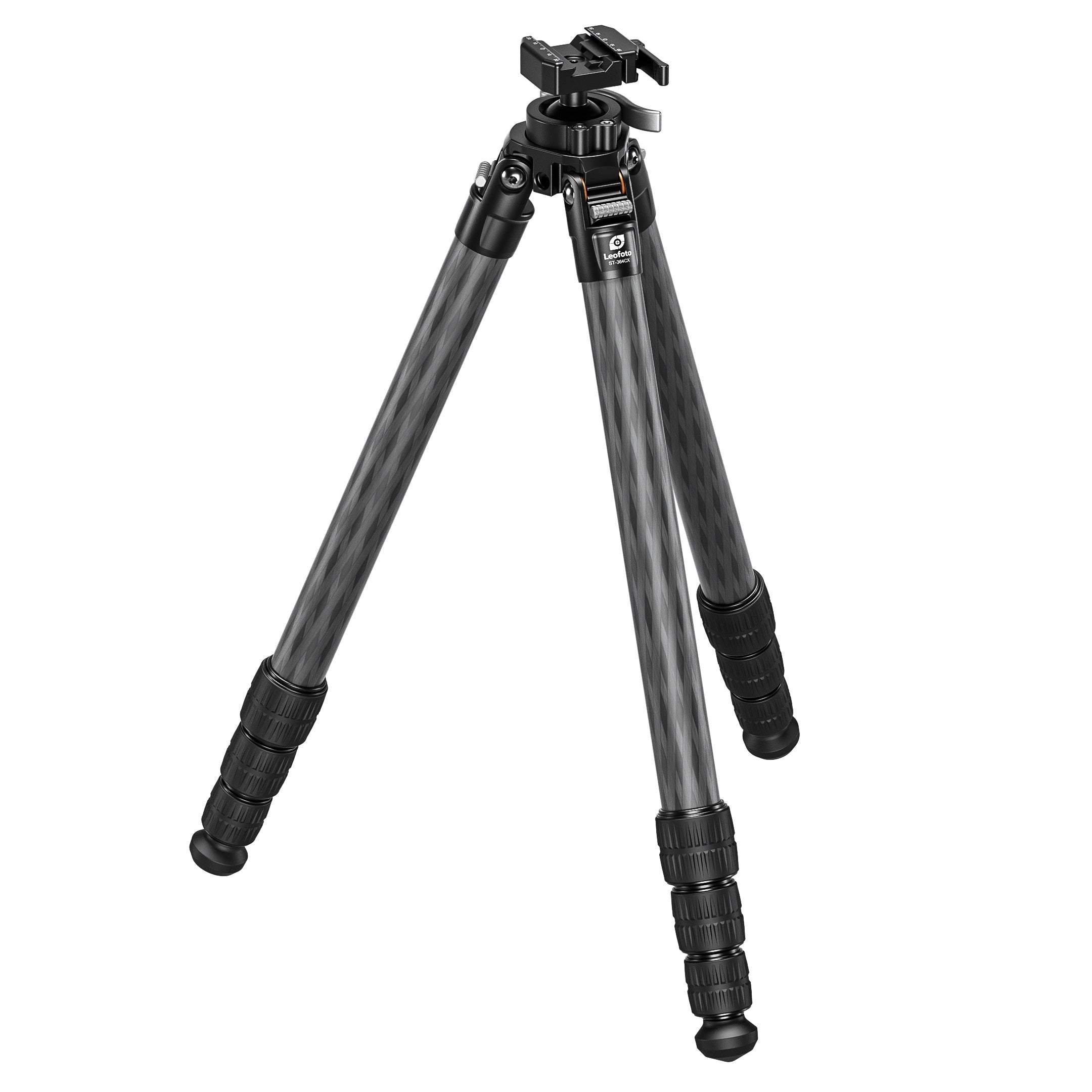
Why Every Photographer Needs a Reliable Tripod: The Benefits You Didn't Know About
When it comes to photography, having a reliable tripod is often overlooked by many, yet it serves as an essential tool for achieving stunning images. One of the primary benefits is stability; a tripod eliminates camera shake, allowing for sharp and clear images, especially in low-light conditions or when using slower shutter speeds. Additionally, a tripod enables photographers to compose shots with precision, ensuring that every detail is placed perfectly within the frame. This can be particularly important for landscape and architectural photography, where every element contributes to the overall impact of the image.
Beyond stability and composition, a good tripod offers versatility. Many tripods come with adjustable legs and heads that allow for different angles and heights, making it easier to capture creative shots from unique perspectives. Furthermore, using a tripod can help photographers experiment with long exposure techniques, resulting in beautiful effects like light trails or silky smooth water. Embracing the benefits of a reliable tripod not only elevates the quality of your work but also enhances your creativity, opening up opportunities you may not have explored otherwise.
Counter-Strike is a popular tactical first-person shooter game that pits teams of terrorists against counter-terrorists in various objective-based scenarios. Players can choose from a wide array of weapons and must work together to secure objectives such as bomb defusals or hostage rescues. For those who enjoy filming their gameplay or creating content, you might want to check out the Top 10 iphone tripods for capturing high-quality video footage. The game's strategic depth and competitive nature have made it a staple in the esports community, with numerous tournaments held worldwide.
Choosing the Right Tripod: Key Features and Tips for Every Photography Style
Choosing the right tripod is essential for any photographer, as it provides the stability needed to capture stunning images across different styles. There are several key features to consider: first, the tripod's height should match your shooting preferences—whether you prefer shooting from a high angle or at ground level. Additionally, consider materials; carbon fiber tripods are lightweight but may come at a premium, while aluminum tripods are generally more affordable but heavier. Other important features include load capacity to support your camera gear and a quick-release plate for ease of mounting and dismounting your camera.
When selecting a tripod, it’s important to think about your specific photography style. For landscape photographers, a sturdy tripod with strong wind resistance is crucial, while portrait photographers might prioritize portability for outdoor sessions. Additionally, tripod legs with multiple angles allow for versatility in various terrains. To maximize your investment, always look for models that offer adjustable centers and built-in spirit levels for precise framing. Remember, the right tripod can make all the difference in achieving professional results, so take the time to choose wisely based on your individual needs!
How to Use a Tripod for Stunning Long Exposure Shots: A Beginner's Guide
Using a tripod is essential for achieving stunning long exposure shots, especially for beginners who want to capture the beauty of motion in their photography. First, set up your tripod on a stable surface to prevent any camera shake. Ensure that the tripod’s legs are fully extended and locked in place for maximum stability. Adjust the height according to your desired composition. It’s crucial to connect your camera securely to the tripod mount, as a loose connection may lead to unwanted vibrations during the shot.
Next, select a low ISO setting on your camera to reduce noise and help achieve that smooth, dreamy effect characteristic of long exposure photography. Use a neutral density filter if you want to experiment with longer exposure times during daylight. When you’re ready, use a remote shutter release or the camera’s self-timer function to further minimize camera shake. Remember, patience is key—experimenting with different exposure times can help you discover the perfect balance between sharp and soft elements in your long exposure shots.