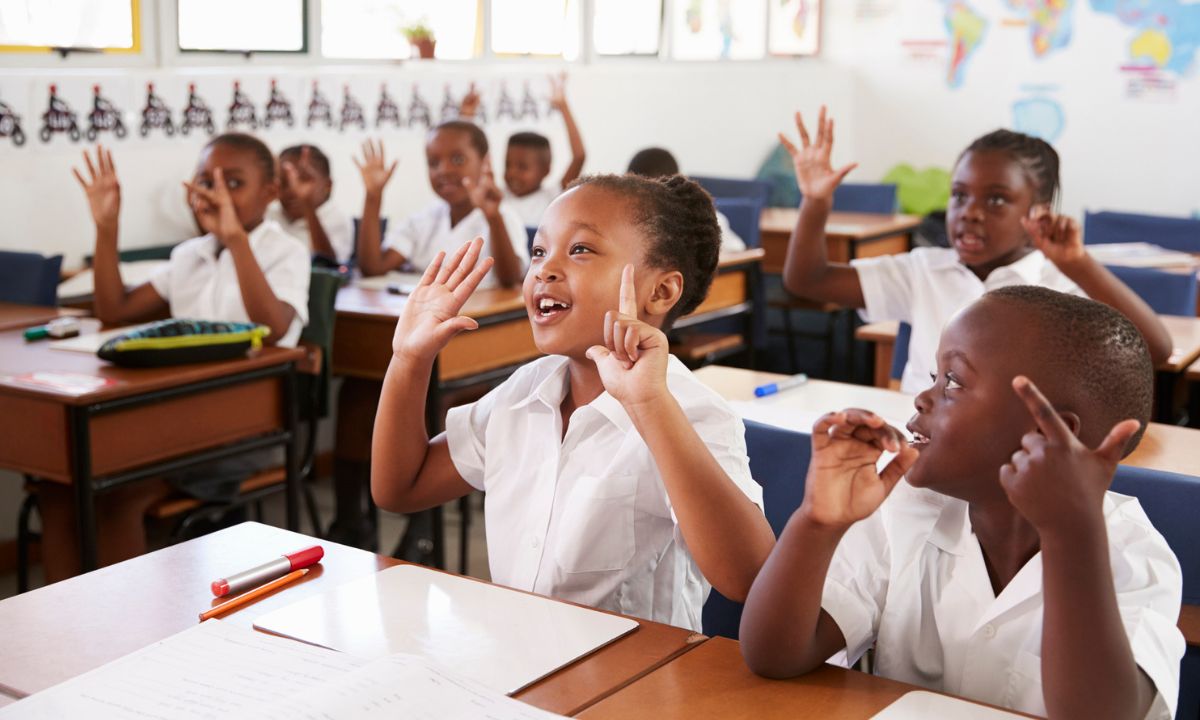
Unmasking the Strengths: How Students Become the Unsung Heroes of Academia
In the realm of academia, students often emerge as the unsung heroes whose contributions transcend the classroom experience. They are not merely passive recipients of knowledge; rather, they actively engage in research projects, community service, and peer mentoring, thereby shaping a vibrant academic culture. By taking initiative in group projects, participating in campus organizations, and even leading study groups, students not only enhance their learning but also empower their peers. As they work behind the scenes, their dedication and passion often go unnoticed, yet these efforts form the backbone of a thriving academic community.
The strengths students bring to academia are multifaceted and deserving of recognition. For instance, their adaptability allows them to navigate the challenges of rigorous coursework, while their collaborative spirit fosters an environment of innovation and support. According to a recent study, students who engage in collaborative learning environments tend to excel academically and socially. Moreover, they display remarkable resilience in the face of adversity, demonstrating that their journey is not just about personal success but also about uplifting others around them. As we unmask these strengths, it becomes evident that students are indeed the heroes who enrich the academic landscape.
Counter-Strike is a highly competitive first-person shooter game that has captivated gamers since its release. Players engage in intense team-based battles, where strategy and skill determine victory. For those looking to enhance their gaming experience, checking out the Top 10 tech accessories for students can provide valuable insights into the best gear available.
The Power of Collaboration: How Student Groups Drive Innovation in Education
The power of collaboration in education cannot be overstated. Student groups foster an environment that encourages the exchange of ideas, leading to enhanced creativity and innovation. When students come together to tackle challenges, they bring diverse perspectives and skill sets to the table. This not only enriches the learning experience but also prepares them for real-world challenges where teamwork is essential. Collaborative projects often result in unique solutions that individual efforts might overlook, demonstrating that the synergy of a group can lead to breakthroughs in understanding and application.
Moreover, collaboration in student groups enhances critical soft skills such as communication, problem-solving, and leadership. For instance, in a typical project setting, students must negotiate roles, manage conflicts, and establish a common vision, which fosters essential interpersonal skills. Schools can further support this by creating structured opportunities for student collaboration, such as hackathons, group projects, and interdisciplinary workshops. By prioritizing collaboration, educational institutions not only drive innovation but also prepare students for a future where teamwork is increasingly vital in all aspects of life.
Navigating Challenges: What Can We Learn from the Resilience of Today's Students?
The resilience of today's students serves as a powerful example of how to navigate challenges in an ever-evolving world. With the pressures of academic performance, social expectations, and the global pandemic, these young individuals have demonstrated remarkable adaptability. For instance, many students have embraced remote learning, developing new skills in technology and self-discipline. This shift not only showcases their ability to overcome obstacles but also highlights the importance of flexibility and a growth mindset in the face of adversity.
Moreover, the experiences of today's students offer valuable lessons in community building and support. Many have engaged in collaborative projects, both online and offline, reinforcing the importance of teamwork. Through initiatives such as peer tutoring and mental health awareness campaigns, students are not only helping each other but also learning to advocate for their own needs. As we reflect on their resilience, we are reminded that facing challenges together fosters a sense of belonging and empowers individuals to thrive, regardless of the circumstances.