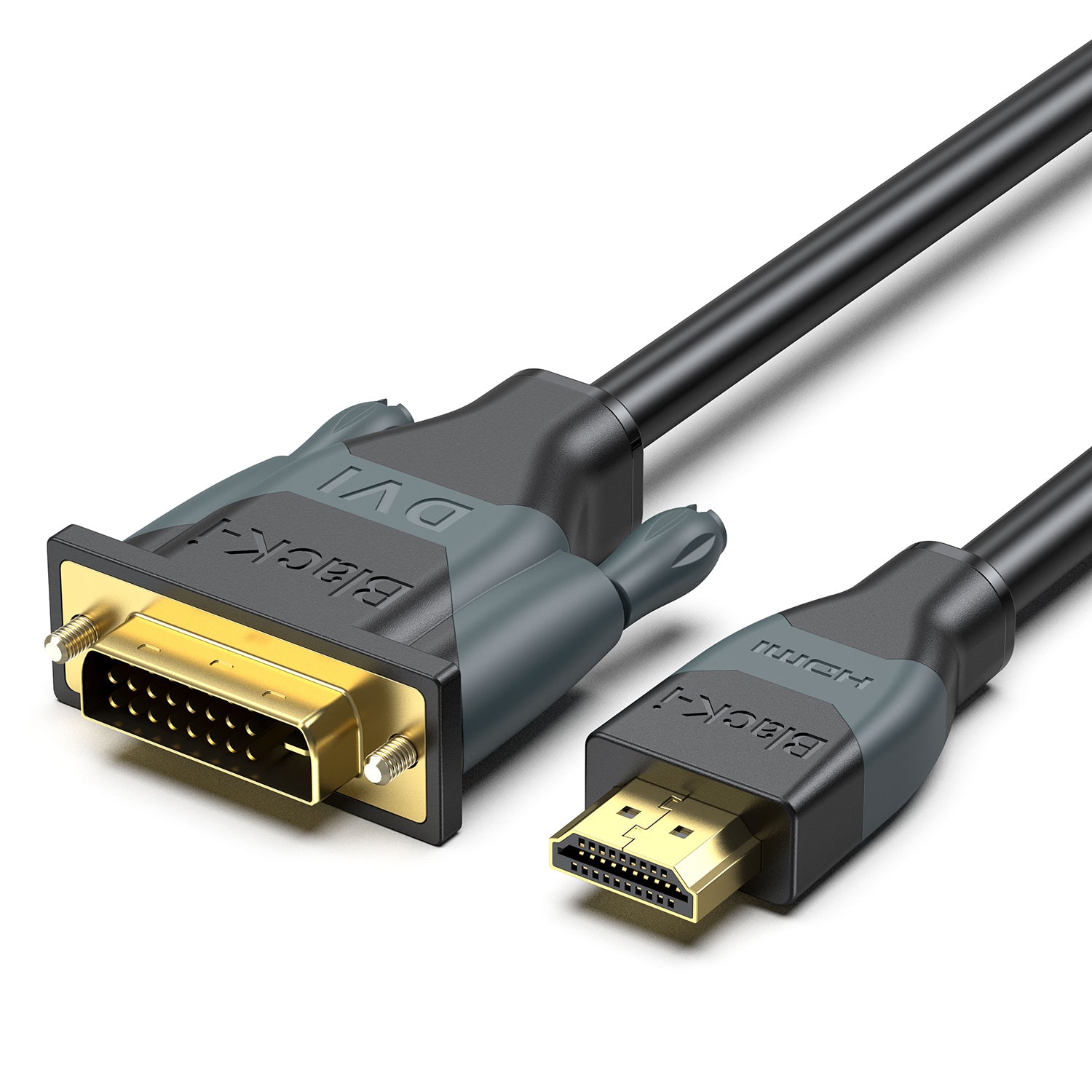
Understanding HDMI: How It Transforms Your Home Theater Setup
HDMI, or High-Definition Multimedia Interface, has revolutionized the way we connect and enjoy our home theater setups. This versatile technology allows for the transmission of both high-definition video and audio signals through a single cable, eliminating the clutter of multiple connections. With HDMI, users can easily connect their devices such as Blu-ray players, gaming consoles, and streaming devices, ensuring a seamless experience. The convenience of HDMI extends beyond mere connections; it also supports various audio formats, including multi-channel audio, making it essential for any modern entertainment system.
One of the standout features of HDMI is its ability to support numerous resolutions and refresh rates, enabling viewers to experience stunning visuals. Whether you're watching a blockbuster movie in 4K or gaming at high refresh rates, HDMI ensures that the quality remains pristine. Additionally, newer HDMI standards, such as HDMI 2.1, introduce enhancements like variable refresh rate (VRR) and auto-low latency mode (ALLM), which further enhance the viewing experience. As home theaters continue to evolve, understanding HDMI and its capabilities is crucial for anyone looking to optimize their setup and enjoy the best possible audio-visual experience.
Counter-Strike is a highly popular team-based first-person shooter game that has captivated players since its release. The game emphasizes strategic gameplay while players work together to complete objectives such as bomb defusals and hostage rescues. For gamers looking to enhance their visual experience, checking out the Top 10 external monitors for mac can significantly improve performance and immersion.
Top 5 Benefits of Using HDMI for Your Entertainment System
When it comes to optimizing your entertainment system, using HDMI connections offers numerous advantages. First and foremost, one of the top benefits is the ability to transmit both high-definition video and audio signals through a single cable. This not only reduces cable clutter but also simplifies the setup process. Furthermore, HDMI supports various video resolutions, including 4K and 8K, providing a crisp and vivid viewing experience that enhances your favorite movies and games.
Another key advantage of utilizing HDMI is its compatibility with a wide range of devices. From televisions and soundbars to gaming consoles and Blu-ray players, HDMI serves as a universal connection option that ensures seamless integration across your entertainment system. Additionally, many HDMI cables now include the latest technology, such as HDMI 2.1, which supports advanced features like Variable Refresh Rate (VRR) and Enhanced Audio Return Channel (eARC), ultimately delivering richer audio and visual experiences.
Is HDMI Really Necessary? Debunking Common Myths
In the world of audio and video technology, HDMI has become a staple connector for many devices, from televisions to gaming consoles. Yet, there are numerous myths surrounding its necessity. One common misconception is that HDMI is the only option to achieve high-definition video and audio quality. While it's true that HDMI offers seamless connectivity and supports high resolutions, alternatives such as DisplayPort and optical audio can also deliver impressive performance. Not to mention, some older technologies like VGA and RCA still see use in specific scenarios, particularly with legacy devices.
Another myth suggests that not using HDMI degrades audio and video quality. This is misleading; the quality you receive primarily depends on the source material and the technology used, rather than the cable itself. For instance, using high-quality analog cables can still produce good results for certain applications. Additionally, certain environments and setups may benefit from wireless technologies that bypass the need for physical cables altogether. Ultimately, understanding your needs and the capabilities of your equipment can help dispel these common myths surrounding HDMI use.