5 Essential Ergonomic Adjustments for Your Home Office
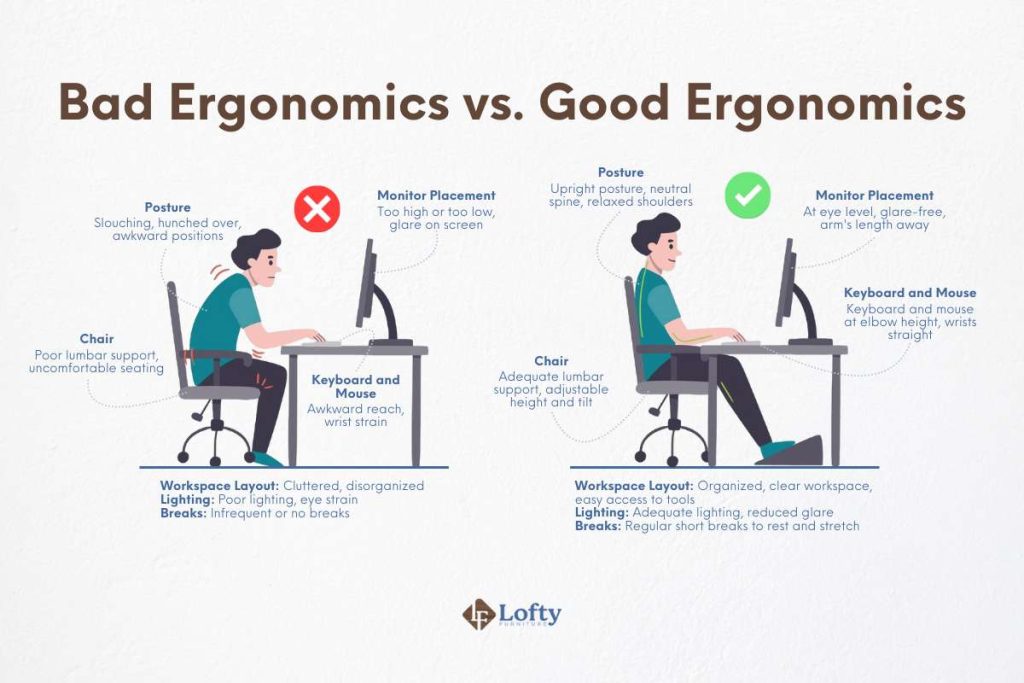
Creating a comfortable and productive workspace is crucial for anyone working from home. Here are 5 essential ergonomic adjustments to help you stay healthy and focused:
- Chair Height: Your chair should be adjusted so that your feet are flat on the floor and your knees are at a 90-degree angle. This promotes good posture and reduces strain on your back.
- Desk Height: Ensure your desk is at a height where your elbows remain at a 90-degree angle or slightly obtuse when typing. This will help prevent shoulder and wrist discomfort.
- Monitor Position: Position your monitor so that it's at eye level, about an arm's length away. This alignment helps reduce eye strain and neck tension.
- Keyboard and Mouse Placement: Keep your keyboard and mouse close enough to prevent stretching. Your wrists should be straight while typing to avoid repetitive strain injuries.
- Breaks and Movement: Incorporate regular breaks into your day to stand up, stretch, and move around. This simple adjustment can significantly improve your overall comfort and productivity.
Counter-Strike is a popular first-person shooter game that pits teams of terrorists against counter-terrorists in various objective-based scenarios. Its strategic gameplay and fast-paced action have made it a mainstay in competitive gaming, with tournaments and leagues attracting players from around the world. For those looking to improve their gaming setup, check out the Top 10 macbook stands to enhance comfort during long gaming sessions.
The Ultimate Guide to Preventing Tech Neck: Ergonomic Solutions
Tech neck has become a common issue in today's digital age, as more individuals are spending prolonged hours hunched over their devices. To effectively prevent this condition, it is essential to implement ergonomic solutions that promote better posture and reduce strain on the neck and back. Here are some effective tips to combat tech neck:
- Adjust Your Screen Height: Ensure your monitor or screen is at eye level to avoid looking down.
- Use a Headset: If you're on calls frequently, using a headset can prevent the need to cradle your phone between your shoulder and ear.
- Incorporate Breaks: Taking regular breaks to stretch and move can significantly reduce tension buildup.
Creating a workspace that promotes good posture is equally important in preventing tech neck. Make use of an ergonomic chair that supports your lower back, and consider using a standing desk if you're working for extended periods. Additionally, regular physical activity can strengthen neck and back muscles. Here are a few exercises specifically targeting tech neck:
- Neck Stretches: Gently tilt your head to each side to stretch the neck muscles.
- Shoulder Rolls: Rolling your shoulders can relieve tightness and improve circulation.
- Wall Angels: Stand against a wall and slide your arms up and down to open up the chest and shoulders.
Are You Sitting Correctly? Common Posture Mistakes and Fixes
Good posture is essential for your overall health, yet many of us unknowingly fall into common posture mistakes throughout our daily lives. Whether you're sitting at a desk for long hours or scrolling through your phone, poor posture can lead to discomfort, pain, and long-term health issues. Here are a few of the most frequent mistakes:
- Slouching: Hunching forward can strain your back and shoulders.
- Leaning on one side: Shifting your weight to one side can create muscle imbalances.
- Resting your elbows on the table: This can round your shoulders and lead to neck pain.
Fortunately, correcting these posture mistakes is easier than you might think. First, make an effort to adjust your chair height so that your feet are flat on the ground and your knees are at a right angle. Furthermore, encourage a more natural spinal alignment by using ergonomic chairs that support your lower back. Remember to take periodic breaks to stretch and realign your body; standing up and walking around for a few minutes every hour can significantly improve your posture. By being mindful of your seating habits, you can enjoy greater comfort and reduce the risk of developing chronic pain.