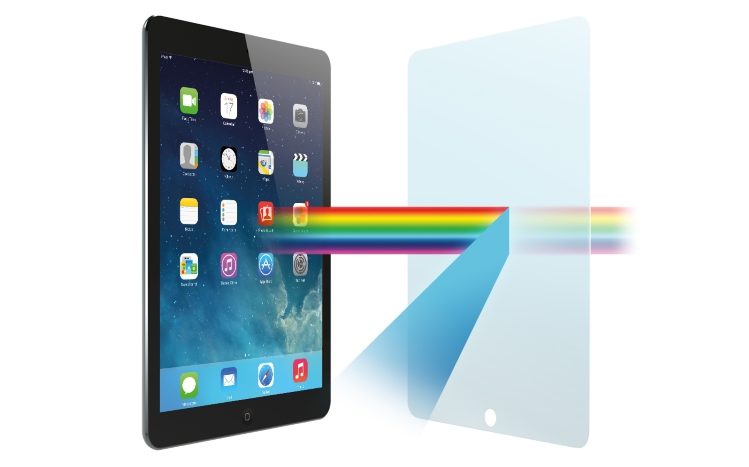
Understanding the Science Behind Blue Light: How It Affects Your Eyes
Blue light, a high-energy visible light with wavelengths between 380 to 500 nanometers, plays a crucial role in our daily lives, particularly with the widespread use of digital screens. Understanding the science behind blue light begins with its sources; it is emitted by the sun as well as by artificial sources like smartphones, tablets, and LED lighting. Exposure to blue light during daytime helps regulate our circadian rhythms, enhancing alertness and mood. However, excessive exposure, especially during the evening, can disrupt sleep patterns and lead to digital eye strain.
The effects of blue light on our eyes have become a growing concern as the prevalence of screen time increases. Studies have shown that prolonged exposure may contribute to discomfort, including symptoms like dry eyes and blurred vision. Moreover, there is ongoing research into its potential long-term effects, including retinal damage. Understanding the science behind blue light also highlights the importance of protective measures, such as using blue light filtering glasses or software, to mitigate these impacts and promote eye health in our digital age.
Counter-Strike is a highly popular team-based first-person shooter game that has captivated gamers around the world since its release. Players can engage in intense tactical matches, where teamwork and strategy often determine victory. For those who spend long hours gaming, it's important to be aware of eye strain, and you might find the Top 10 Phone Accessories for Eye Strain useful. The excitement of planting and defusing bombs, coupled with the satisfaction of clutch plays, makes Counter-Strike a favorite in the esports community.
Top 5 Benefits of Using a Blue Light Filter for Your Eye Health
In today's digital age, our eyes are constantly exposed to screens emitting blue light, whether it's from computers, smartphones, or televisions. One of the top benefits of using a blue light filter is its ability to reduce eye strain. When you spend long hours staring at screens, the blue light can cause fatigue and discomfort. By using a blue light filter, you can significantly diminish these effects, allowing your eyes to feel more relaxed and less fatigued.
Moreover, blue light filters can improve your sleep quality, which is another significant advantage. Exposure to blue light in the evening can interfere with your body’s natural sleep cycle by disrupting melatonin production. With a blue light filter, you can reduce this interference, promoting better sleep and contributing to overall eye health. In summary, the adoption of a blue light filter not only alleviates eye strain but also supports a healthy sleep pattern for optimal well-being.
Does a Blue Light Filter Really Help Reduce Eye Strain?
In today's digital age, many people spend extensive hours in front of screens, leading to increased concerns about eye strain. The issue of whether a blue light filter can effectively reduce this strain has gained significant attention. Various studies suggest that exposure to blue light from screens may contribute to digital eye strain, which can manifest as discomfort, dryness, and fatigue. Although some individuals report feelings of relief when using blue light filters, the scientific community is still divided on their overall effectiveness.
It's essential to consider a holistic approach to managing eye strain. While blue light filters may help in some instances, experts recommend incorporating additional strategies such as the 20-20-20 rule, where you take a 20-second break to look at something 20 feet away every 20 minutes. Keeping your screen at a proper distance, ensuring adequate lighting, and maintaining good blink habits can also help mitigate symptoms. Therefore, while blue light filters can be beneficial for some users, they should be considered part of a broader strategy for eye health.