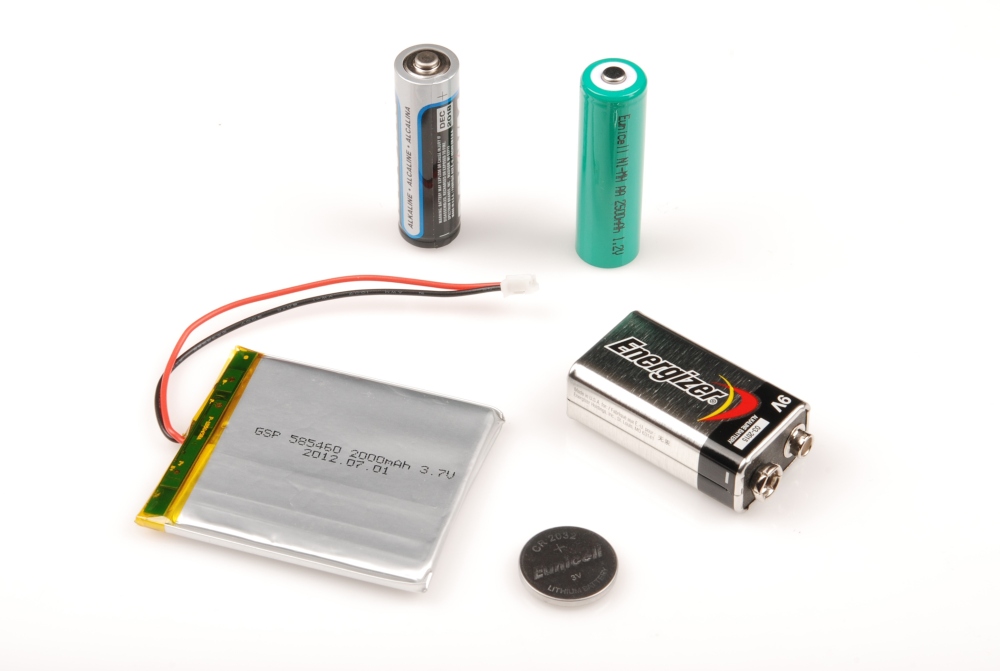
10 Fascinating Facts About Batteries You Didn't Know
Batteries are an essential part of our daily lives, powering everything from smartphones to electric vehicles. Here are 10 fascinating facts about batteries you might not know:
- The First Battery: The invention of the battery dates back to 1800 when Italian scientist Alessandro Volta created the Voltaic Pile, the first true battery.
- Battery Lifespan: The lifespan of a typical lithium-ion battery can be influenced by factors such as temperature, charging habits, and usage patterns, often lasting around 2-3 years.
- Recycling: Only about 5% of batteries are recycled properly, making it crucial to dispose of them responsibly to prevent environmental harm.
Modern advancements in battery technology are continually enhancing their efficiency and sustainability. For instance, solid-state batteries are emerging as a safer alternative to traditional lithium-ion batteries, promising faster charging times and better performance. Here are a few more intriguing aspects:
- Storage Capacity: Some of the largest battery systems today can store enough energy to power thousands of homes for hours during peak demand.
- Global Impact: The growing demand for batteries, particularly in electric vehicles, is driving innovation and impacting economies around the world.
- Battery Chemistry: Batteries come in various chemistries, including lithium-ion, nickel-cadmium, and lead-acid, each with unique properties and applications.
Counter-Strike is a highly competitive first-person shooter game that has captivated millions of players worldwide. In this tactical game, teams of terrorists and counter-terrorists compete to complete objectives or eliminate the opposing team. Players often seek ways to enhance their gaming experience; for instance, using a cooling fan for their devices can help maintain optimal performance during intense matches. You can find some great options by checking out the Top 10 iphone cooling fans. The strategic gameplay and team coordination in Counter-Strike create an immersive experience that keeps players coming back for more.
How Different Types of Batteries Power Our Everyday Gadgets
Batteries are the heart of many everyday devices, and understanding the different types can help us choose the right power source for our needs. Alkaline batteries, for example, are commonly used in remote controls and flashlights. Their high energy density and long shelf life make them ideal for low-drain devices. In contrast, lithium-ion batteries have become the go-to choice for smartphones, laptops, and electric vehicles due to their ability to hold a significant charge while being lightweight and rechargeable. Additionally, nickel-metal hydride batteries are often found in hybrid vehicles and digital cameras, striking a balance between performance and environmental impact.
Moreover, we can't overlook the role of button-cell batteries, prevalent in wristwatches and hearing aids, or lead-acid batteries, which power larger applications like cars and solar energy systems. Each type of battery has unique characteristics tailored to specific gadgets, influencing factors like voltage, capacity, and longevity. As technology advances, we can expect even more innovations in battery technology, paving the way for more efficient and sustainable power solutions in our daily lives.
What Happens to Batteries After They Die? A Journey Through Recycling
When batteries die, they embark on a second journey through the process of recycling, which is crucial for both the environment and the economy. After collecting dead batteries, recycling facilities carefully sort them based on their chemical composition. Lead-acid batteries, common in vehicles, are separated from lithium-ion batteries, which are widely used in smartphones and laptops. Each type undergoes a specific recycling process designed to reclaim valuable materials such as lithium, cobalt, and nickel, which can be reused in the production of new batteries. This reduces the need for mining raw materials and minimizes the environmental impact.
Once sorted, the batteries go through processes like shredding and pyrometallurgical smelting, where metals are extracted from their components. For example, lead from lead-acid batteries is extracted and purified, while lithium-ion batteries undergo a more complex procedure to retrieve precious metals. Recycling not only saves resources but also ensures that hazardous components from batteries do not end up in landfills, posing health risks and contaminating the soil and water. The journey of a battery after it dies highlights the importance of sustainable practices and responsible waste management in our push towards a greener future.